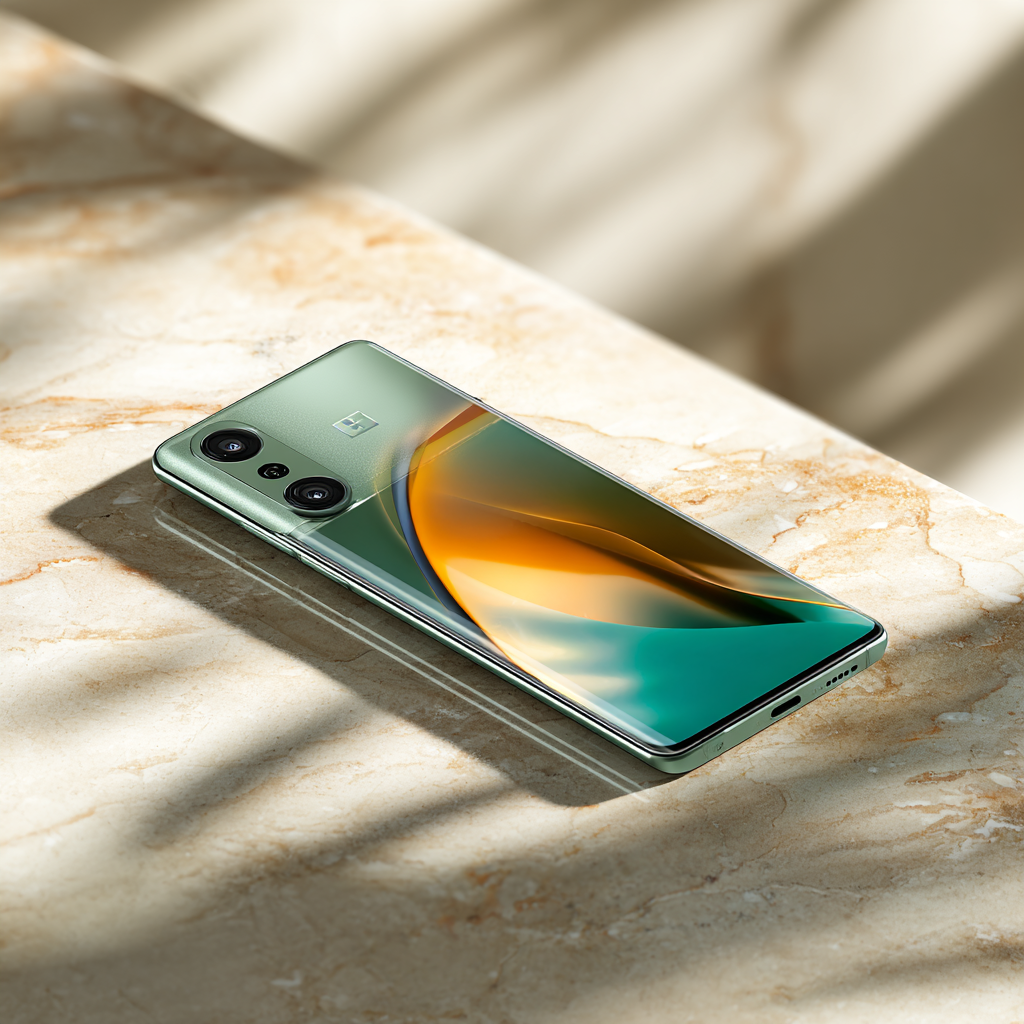
The OnePlus 12 arrives as a compelling reminder of why the brand earned its "flagship killer" reputation. With Hasselblad-tuned cameras, Snapdragon 8 Gen 3 performance, and a starting price of $799, this device challenges the premium smartphone market while maintaining the value proposition that made OnePlus famous. After extensive testing, we examine whether the OnePlus 12 delivers flagship performance without the flagship price tag.
Design and Build Quality
The OnePlus 12 presents a refined design that balances premium aesthetics with practical durability. The curved glass back features a distinctive circular camera module that houses the Hasselblad partnership branding, immediately distinguishing it from competitors. The device feels substantial in hand at 220 grams, though the weight distribution prevents it from feeling unwieldy during extended use.
Build quality meets flagship standards with Gorilla Glass Victus 2 protecting both front and back panels. The aluminum frame provides structural rigidity while maintaining a comfortable grip. OnePlus includes IP65 water and dust resistance, offering protection against splashes and light rain, though it falls short of the IP68 rating found on some premium competitors.
The display curves gently at the edges, creating a seamless transition between screen and frame. While some users prefer flat displays, the subtle curve here enhances the premium feel without causing significant accidental touch issues. The alert slider returns, providing quick access to sound profiles—a feature OnePlus enthusiasts will appreciate.
Display Excellence
The 6.82-inch AMOLED display represents one of the OnePlus 12's strongest features. With a resolution of 3168 x 1440 pixels and a 120Hz adaptive refresh rate, content appears sharp and fluid. Peak brightness reaches 4500 nits in HDR mode, ensuring excellent visibility even in direct sunlight.
Color accuracy impresses across different scenarios. The display supports both sRGB and Display P3 color spaces, with Hasselblad's color tuning evident in photography applications. Blacks appear truly deep thanks to OLED technology, while color reproduction remains accurate without oversaturation. The LTPO technology enables variable refresh rates from 1Hz to 120Hz, optimizing battery life based on content.
Technical Specifications
| Display | 6.82" AMOLED, 3168 x 1440, 120Hz LTPO |
|---|---|
| Processor | Snapdragon 8 Gen 3 |
| RAM | 12GB / 16GB LPDDR5X |
| Storage | 256GB / 512GB UFS 4.0 |
| Main Camera | 50MP Sony LYT-808, f/1.6, OIS |
| Telephoto | 64MP periscope, 3x optical zoom |
| Ultrawide | 48MP, 114° field of view |
| Battery | 5400mAh |
| Charging | 100W wired, 50W wireless |
| Price | From $799 |
Performance Analysis
The Snapdragon 8 Gen 3 processor positions the OnePlus 12 among the fastest Android smartphones available. Combined with up to 16GB of LPDDR5X RAM and UFS 4.0 storage, the device handles demanding tasks effortlessly. Gaming performance excels, with titles like Genshin Impact running at maximum settings while maintaining stable frame rates.
Thermal management shows improvement over previous OnePlus flagships. While the device warms during intensive gaming sessions, temperatures remain comfortable. The vapor cooling system effectively dissipates heat, preventing the throttling issues that plagued earlier models. Benchmark scores compete directly with other Snapdragon 8 Gen 3 devices, confirming OnePlus hasn't compromised on raw performance.
Multitasking benefits from generous RAM allocation and OxygenOS optimization. Apps remain in memory longer, reducing reload times when switching between tasks. The storage performance of UFS 4.0 delivers fast app launches and file transfers, particularly noticeable when working with large photos and videos.
Hasselblad Camera System
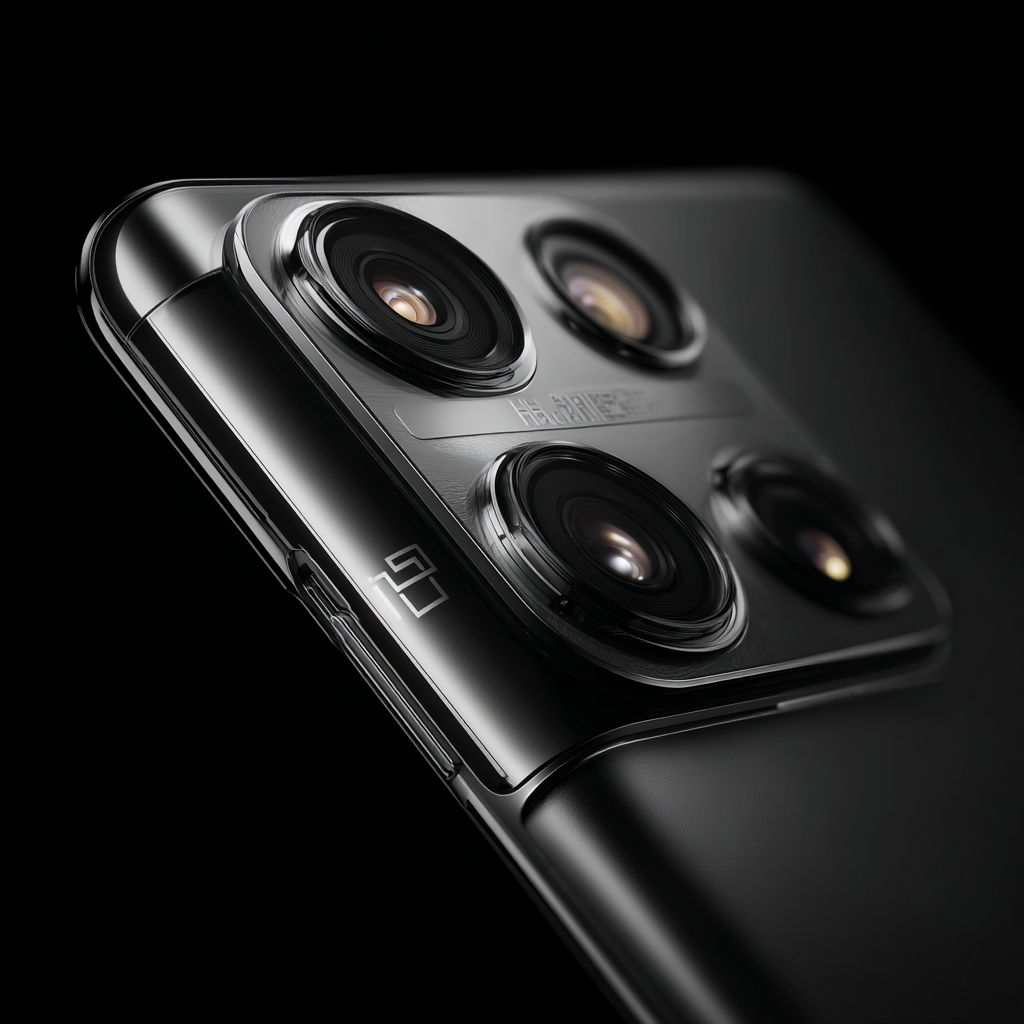
The Hasselblad partnership, now in its fourth year, brings meaningful improvements to the OnePlus 12's photography capabilities. The 50MP Sony LYT-808 main sensor captures exceptional detail with accurate color reproduction. The 1/1.4-inch sensor size enables strong low-light performance, while the f/1.6 aperture and optical image stabilization contribute to sharp results in challenging conditions.
Portrait photography benefits from the 64MP periscope telephoto camera with 3x optical zoom. The combination of genuine optical zoom and computational photography produces natural-looking background blur with accurate edge detection. Skin tones appear realistic, avoiding the oversaturation common in competing devices.
The 48MP ultrawide camera impresses with minimal distortion at the frame edges and strong corner sharpness. The autofocus capability enables macro photography, capturing subjects as close as 3cm with remarkable detail. This versatility makes the ultrawide lens genuinely useful beyond wide-angle landscape shots.
Hasselblad's color science shines in various lighting conditions. Photos exhibit natural colors with pleasing contrast, avoiding the oversaturated "smartphone look" that plagues many competitors. The color calibration extends to video recording, producing footage that requires minimal post-processing.
Video Capabilities
Video recording supports 4K at 120fps and 8K at 30fps, providing flexibility for different shooting scenarios. The stabilization system works effectively during handheld recording, producing smooth footage even while walking. Dolby Vision HDR recording captures expanded dynamic range, though playback requires compatible displays to appreciate fully.
Battery Life and Charging
The 5400mAh battery capacity provides excellent endurance for a flagship smartphone. Moderate usage consistently delivers a full day of battery life with 20-30% remaining. Heavy users pushing the device with gaming, photography, and video streaming should still reach evening hours before requiring a charge.
The 100W SuperVOOC charging represents a significant advantage over many competitors. A complete charge from 0% takes just 26 minutes, while 10 minutes of charging adds approximately 40% battery capacity. This rapid charging capability reduces range anxiety and makes topping up during brief breaks practical.
Wireless charging at 50W provides another convenient option, delivering a full charge in approximately 55 minutes. While not as fast as wired charging, it represents one of the fastest wireless charging implementations available on smartphones.
OxygenOS Experience
OxygenOS continues to evolve, now sharing more code with Oppo's ColorOS. The interface maintains OnePlus's clean aesthetic while adding features from the broader BBK ecosystem. Performance remains smooth with thoughtful animations and transitions that feel responsive rather than sluggish.
OnePlus promises four years of major Android updates and five years of security patches, bringing the update commitment closer to industry leaders. This extended support increases the device's longevity and value proposition, particularly important for users who keep phones beyond two years.
The software includes some pre-installed applications beyond Google's suite, though most can be uninstalled. Bloatware remains minimal compared to some manufacturers, preserving the clean experience OnePlus users expect. Customization options abound, from icon packs to always-on display configurations.
Strengths
- Excellent Hasselblad camera system with natural colors
- Snapdragon 8 Gen 3 delivers flagship performance
- 100W fast charging and 50W wireless charging
- Bright, vibrant 120Hz AMOLED display
- Strong battery life with 5400mAh capacity
- Premium build quality with alert slider
- Competitive pricing at $799
- Four years of OS updates promised
Limitations
- IP65 rating less protective than IP68 competitors
- No expandable storage option
- Curved display may not suit all preferences
- OxygenOS increasingly resembles ColorOS
- Limited availability in some regions
- No headphone jack
Comparing the Competition
Against the Samsung Galaxy S24, the OnePlus 12 offers faster charging and a larger battery at a lower price point. Samsung counters with superior water resistance, longer software support, and broader retail availability. The camera systems trade blows, with OnePlus favoring natural colors while Samsung provides more computational photography features.
The Google Pixel 9 Pro emphasizes AI-powered photography and pure Android software but commands a higher price with a smaller battery and slower charging. iPhone 15 Pro users gain access to the Apple ecosystem and longer software support but pay significantly more for comparable specifications.
Within OnePlus's own lineup, the OnePlus 12R offers similar design at $500 but sacrifices the Hasselblad cameras, wireless charging, and the flagship processor. For users prioritizing photography and performance, the $300 premium for the OnePlus 12 delivers meaningful improvements.
Final Verdict
The OnePlus 12 successfully revives the flagship killer concept in a market where premium smartphones regularly exceed $1000. The combination of Snapdragon 8 Gen 3 performance, Hasselblad-tuned cameras, rapid charging, and a vibrant display creates a compelling package at $799. While compromises exist—particularly the IP65 rating and curved display—they represent acceptable trade-offs for the value proposition.
Photography enthusiasts will appreciate the natural color reproduction and versatile camera system. The Hasselblad partnership delivers tangible benefits beyond marketing, particularly evident in color accuracy and portrait photography. Performance users gain flagship-level specs without flagship pricing, making the OnePlus 12 attractive for gaming and productivity.
The OnePlus 12 earns a strong recommendation for users seeking flagship performance and cameras without paying ultra-premium prices. It represents the best value in the flagship smartphone category, delivering a well-rounded experience that competes effectively with devices costing hundreds more. OnePlus has indeed brought the flagship killer back, and it's better than ever.