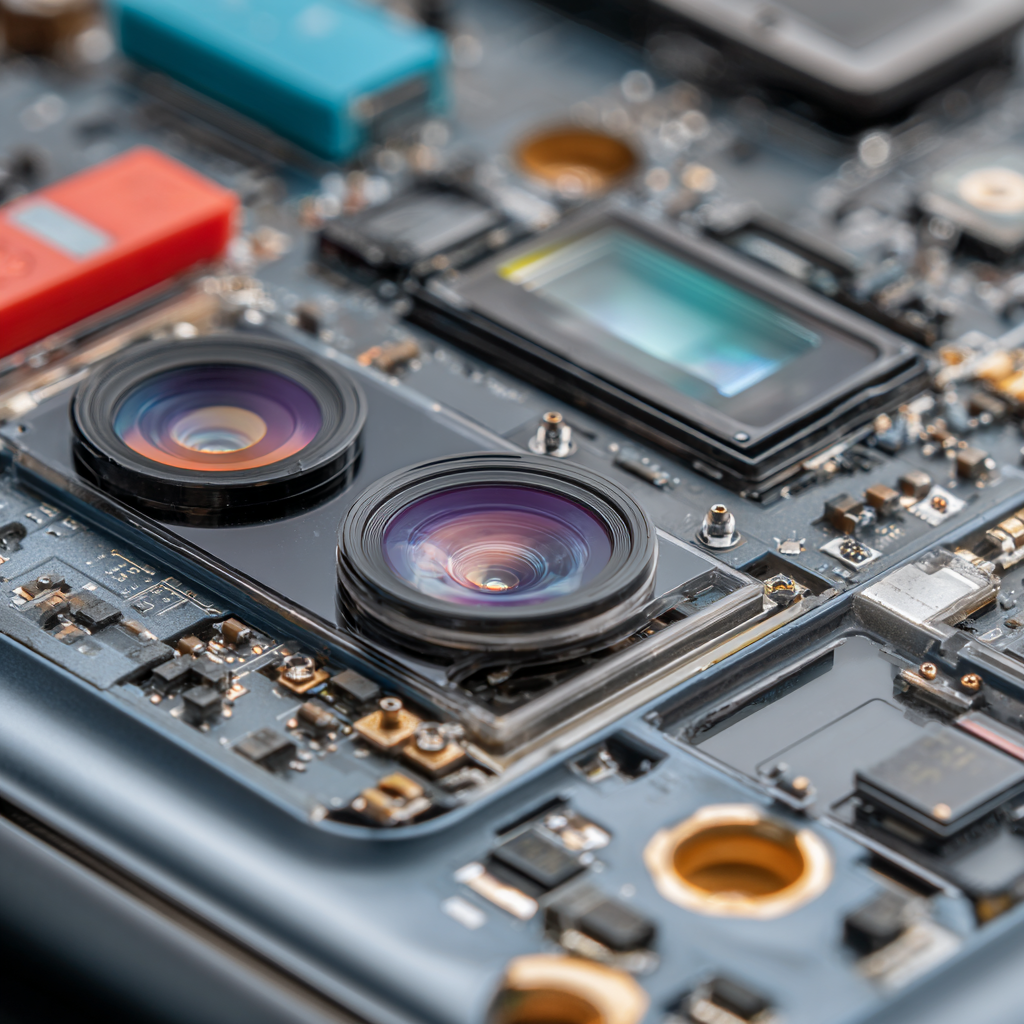
Smartphone cameras have evolved from simple point-and-shoot tools to sophisticated imaging systems that rival professional equipment. In 2024, the convergence of advanced sensors, computational photography, and AI processing has created phones capable of capturing stunning photos and videos in virtually any condition. Understanding these technologies is key to choosing the right phone for your photography needs.
📸 The Revolution in Mobile Photography
Modern smartphone cameras combine hardware innovations with software magic. Today's phones use multiple lenses, massive sensors, and AI algorithms to create images that would have been impossible just a few years ago, all while fitting in your pocket.
Camera Sensor Technology
Understanding Sensor Sizes
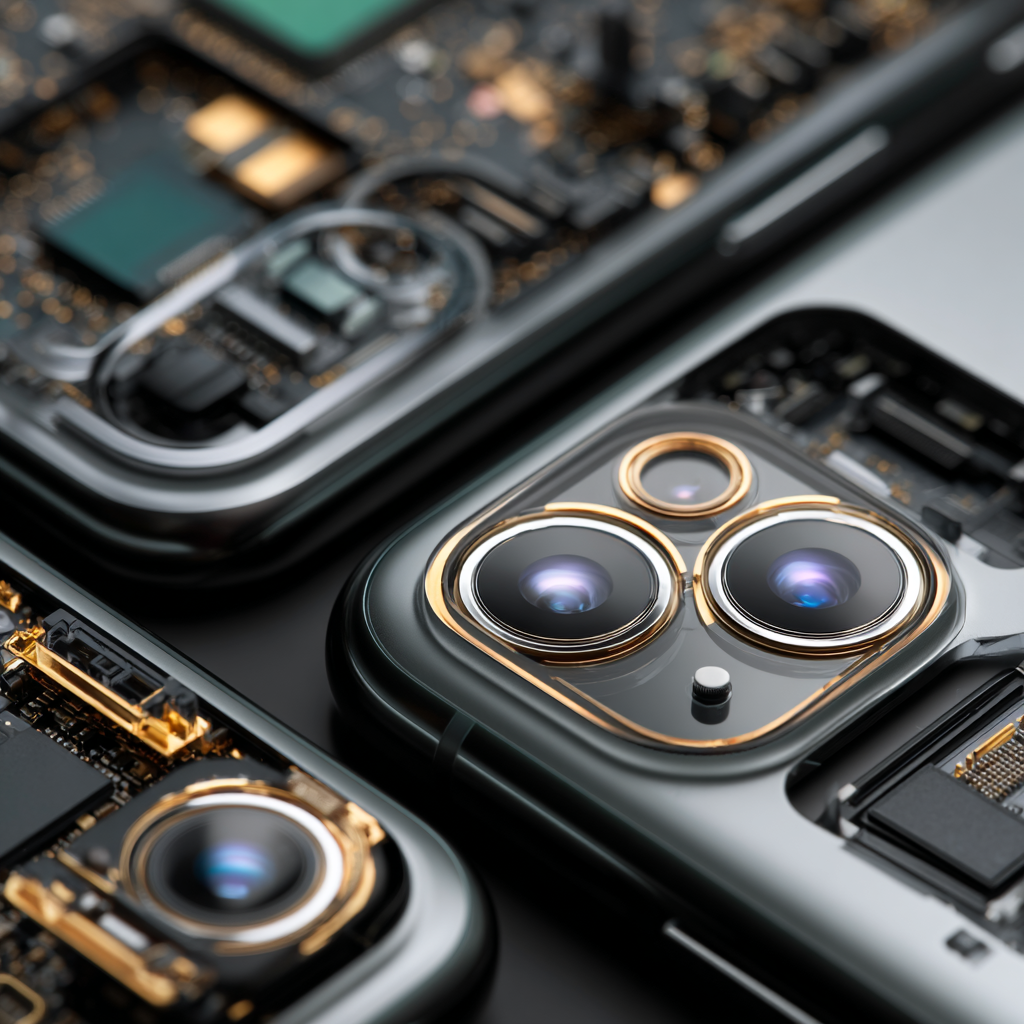
The size of the image sensor is crucial for image quality. Larger sensors capture more light, resulting in better low-light performance and dynamic range:
Largest mobile sensor
Premium flagship
Apple's largest
Google flagship
Entry-level sensors
The Megapixel Myth
More megapixels don't automatically mean better photos. While resolution matters for detail and zoom, factors like sensor size, pixel size, and processing are equally important:
- 200MP sensors: Marketing impressive but often bin down to 12.5-50MP for better light gathering
- 48-50MP sensors: Sweet spot for most users, good balance of detail and performance
- 12MP sensors: Larger pixels, excellent for low light (iPhone, older Pixels)
- Pixel binning: Combines multiple pixels for better light sensitivity
Computational Photography
🧠 AI-Powered Image Processing
Modern smartphones use artificial intelligence and machine learning to enhance photos in real-time:
- Scene Recognition: Automatically adjusts settings for food, portraits, landscapes
- HDR Processing: Combines multiple exposures for perfect dynamic range
- Night Mode: Multi-frame processing for bright, detailed low-light photos
- Portrait Mode: AI-driven background blur and lighting effects
- Object Removal: Automatically removes unwanted elements from photos
Multi-Camera Systems
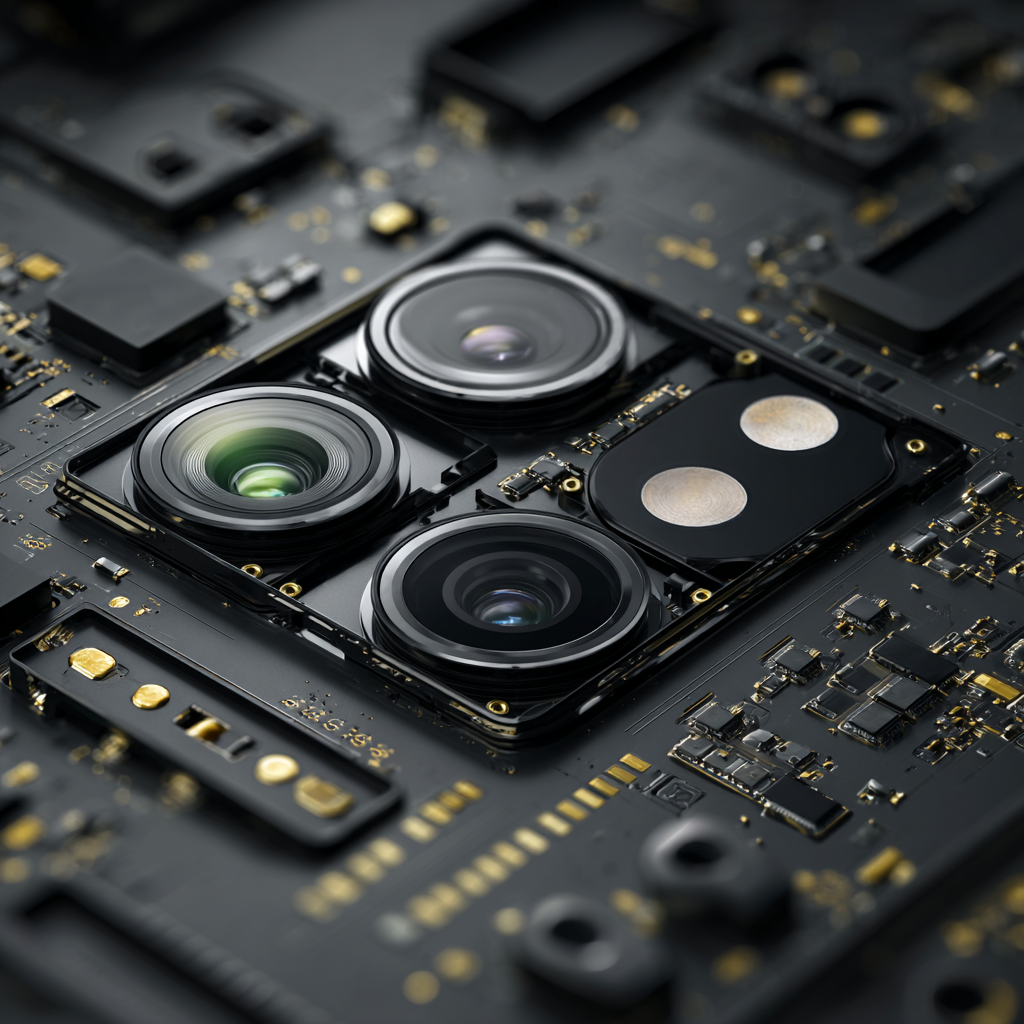
Modern flagship phones typically feature 3-4 camera systems, each optimized for specific scenarios:
Types of Camera Lenses
- Main/Wide Camera: Primary sensor for most photos, largest and highest quality
- Ultra-Wide Camera: 12-16mm equivalent, captures more of the scene
- Telephoto Camera: 3x-10x optical zoom, portrait compression
- Periscope Telephoto: 5x-10x zoom using folded optics
- Macro Camera: Extreme close-up photography (often low quality)
- Depth/ToF Sensor: Assists with focusing and depth mapping
Zoom Technology
📷 Optical vs Digital vs Hybrid Zoom
Understanding different zoom technologies helps you choose the right phone for your needs:
Main camera
Standard telephoto
Periscope telephoto
Advanced periscope
Digital "Space Zoom"
Best zoom phones 2024:
- Samsung Galaxy S24 Ultra: 5x periscope + 3x telephoto
- iPhone 15 Pro Max: 5x tetraprism telephoto
- Pixel 8 Pro: 5x telephoto with AI enhancement
- Xiaomi 14 Ultra: Variable aperture + 5x periscope
Night Photography Advances
Low-light photography has seen dramatic improvements with computational photography:
Night Mode Technologies
- Multi-Frame Processing: Combines 6-15 photos for optimal exposure
- AI Noise Reduction: Machine learning removes grain while preserving detail
- Semantic Segmentation: Different processing for sky, people, buildings
- Motion Compensation: Aligns frames even with hand shake
- Tone Mapping: Balances highlights and shadows naturally
Video Recording Capabilities
Smartphone video quality now rivals professional cameras:
2024 Video Specifications
- 8K Recording: Samsung, Xiaomi offer 8K/30fps
- 4K ProRes: iPhone 15 Pro records in professional format
- Cinematic Mode: Automatic focus transitions and depth of field
- Action Mode: Ultra-stable video for extreme sports
- Log Recording: Flat color profiles for professional editing
- Multi-cam Recording: Use multiple lenses simultaneously
Camera Technology by Brand
Apple: Computational Photography Leader
Apple focuses on computational photography and tight hardware-software integration:
- Photographic Styles: Consistent look across all photos
- Smart HDR: Intelligent highlight and shadow recovery
- ProRAW: Combines RAW flexibility with computational photography
- Cinematic Mode: Shallow depth of field for video
Google: AI and Machine Learning
Google leverages AI and cloud processing for exceptional results:
- Magic Eraser: Remove unwanted objects from photos
- Real Tone: Accurate skin tone representation
- Super Res Zoom: AI-enhanced digital zoom
- Night Sight: Industry-leading low-light photography
Samsung: Hardware Innovation
Samsung pushes hardware boundaries with large sensors and zoom capabilities:
- 200MP Sensors: Highest resolution mobile cameras
- Expert RAW: Professional manual controls
- Space Zoom: Extreme telephoto capabilities
- 8K Video: Highest resolution video recording
Camera Accessories and Features
Lens Attachments
Third-party lenses can expand your phone's capabilities:
- Moment Lenses: Professional-grade attachments
- Anamorphic Lenses: Cinematic widescreen video
- Macro Lenses: Extreme close-up photography
- ND Filters: Control exposure for video and long exposures
Image Stabilization
Modern phones use multiple stabilization technologies:
- Optical Image Stabilization (OIS): Physical sensor movement
- Electronic Image Stabilization (EIS): Software-based stabilization
- Hybrid Stabilization: Combines OIS and EIS
- Gimbal Stabilization: Advanced mechanical stabilization (Vivo X100 series)
Mobile Photography Tips
📱 Pro Photography Techniques
- Clean Your Lens: Fingerprints dramatically reduce image quality
- Use Grid Lines: Apply rule of thirds for better composition
- Tap to Focus: Ensure your subject is sharp
- Shoot in RAW: Maximum editing flexibility
- Learn Manual Controls: Pro modes give you creative control
- Use Natural Light: Position subjects near windows for best results
- Experiment with Angles: Get low, get high, get creative
Future Camera Technologies
Exciting developments are coming to smartphone cameras:
- Under-Display Cameras: No more camera bumps or notches
- Liquid Lenses: Variable focal length without moving parts
- Holographic Displays: 3D photography and viewing
- AI Scene Prediction: Cameras that anticipate the perfect moment
- Quantum Dot Sensors: Dramatically improved color accuracy
- Computational RAW: RAW files with AI enhancement built-in
Camera-Focused Buying Guide
🎯 Choosing the Right Camera Phone
For Social Media: iPhone 15 Pro, Pixel 8 Pro - excellent automatic modes
For Photography Enthusiasts: Galaxy S24 Ultra, Xiaomi 14 Ultra - manual controls and flexibility
For Content Creators: iPhone 15 Pro Max - best video capabilities
For Budget Photography: Pixel 7a, Galaxy A54 - computational photography on a budget
For Zoom Photography: Galaxy S24 Ultra, iPhone 15 Pro Max - best telephoto systems
Final Thoughts
Smartphone camera technology in 2024 represents the convergence of advanced hardware and intelligent software. The best camera phone for you depends on your specific needs, but any flagship device will deliver results that would have required professional equipment just a few years ago.
The future of mobile photography is incredibly bright, with AI and computational photography continuing to push the boundaries of what's possible. Whether you're a casual photographer or a serious content creator, today's smartphone cameras offer unprecedented creative possibilities right in your pocket.