
Wireless charging has evolved from a novelty feature to an essential technology in 2024. With charging speeds now rivaling wired solutions and new standards emerging, understanding the wireless charging landscape is crucial for making informed device purchases. From Qi2 to proprietary fast charging solutions, we'll explore everything you need to know about cutting the cord from your charger.
⚡ How Wireless Charging Works
Wireless charging uses electromagnetic induction to transfer power from a charging pad to your device. A coil in the charger creates an electromagnetic field, which induces current in a receiving coil in your smartphone, converting it back to electrical energy to charge the battery.
Wireless Charging Standards 2024
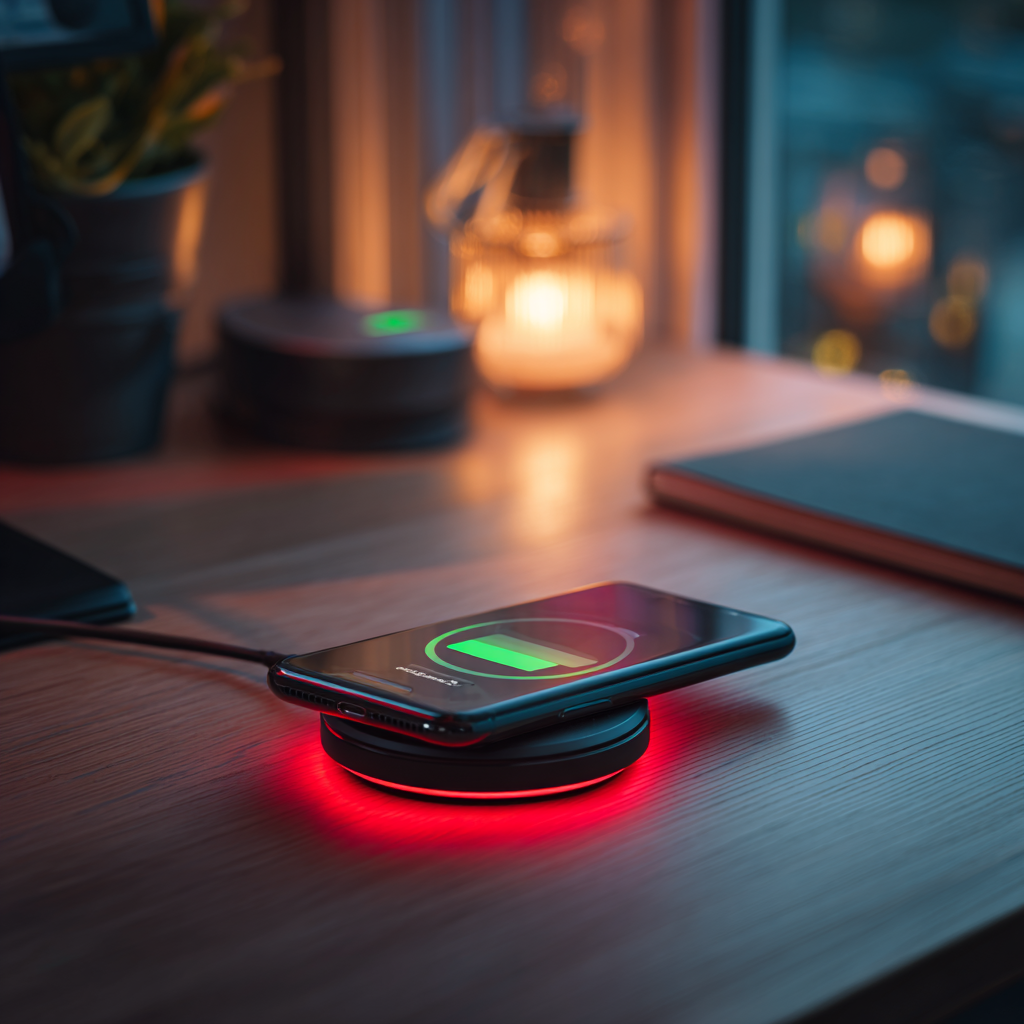
Qi and Qi2: The Universal Standards
The Wireless Power Consortium's Qi standard remains the dominant wireless charging technology, now enhanced with Qi2 featuring Magnetic Power Profile (MPP) integration:
Qi vs Qi2 Comparison
| Feature | Qi (Original) | Qi2 (2024) |
|---|---|---|
| Maximum Power | 15W | 15W (with future 30W planned) |
| Magnetic Alignment | Optional | Required (MPP) |
| Efficiency | 70-80% | 85-90% |
| Compatibility | Universal | Backward compatible |
Proprietary Fast Charging
Several manufacturers have developed their own wireless charging standards that exceed Qi limitations:
0-100% in 43 minutes
0-100% in 37 minutes
0-100% in 19 minutes
0-50% in 30 minutes
Apple MagSafe: Setting the Standard
Apple's MagSafe technology, introduced with the iPhone 12, has become the gold standard for magnetic wireless charging:
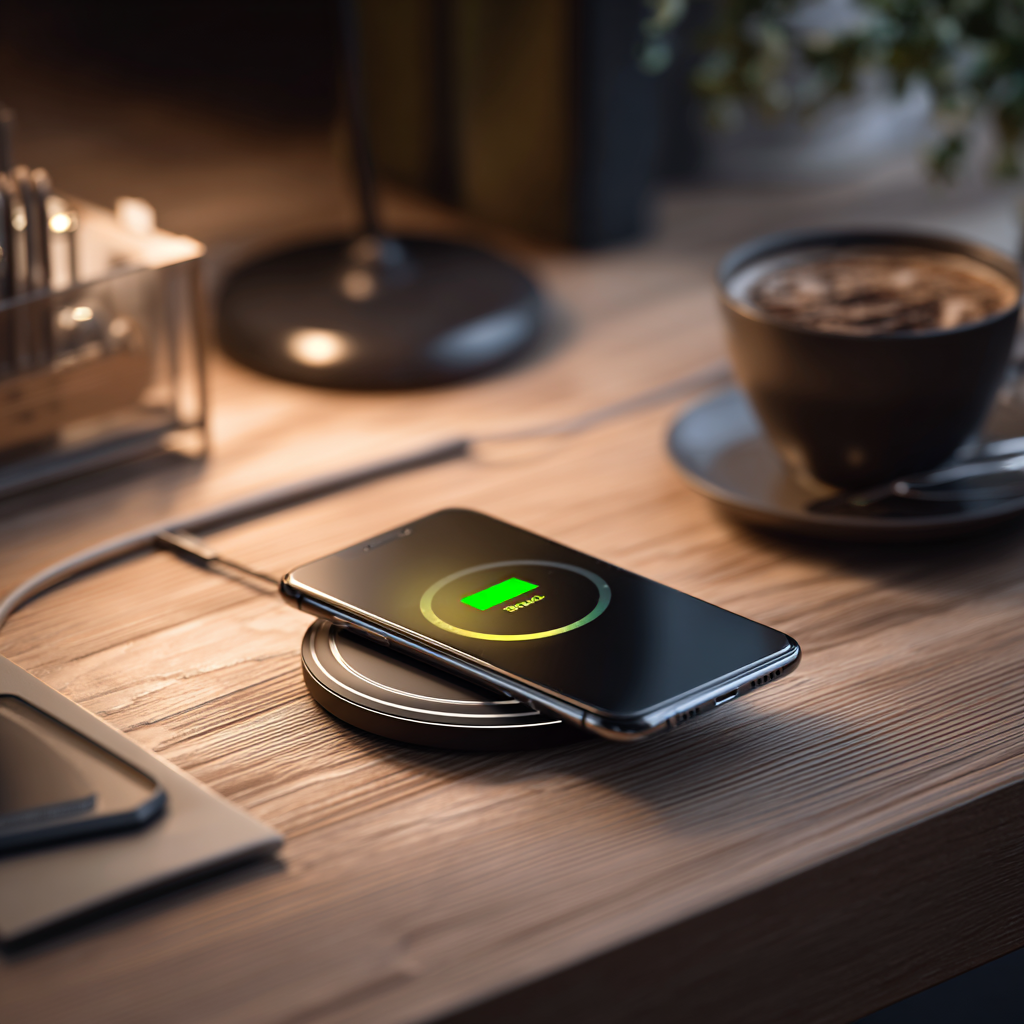
- Perfect Alignment: Magnets ensure optimal coil positioning
- 15W Charging: Double the speed of standard Qi charging
- Accessory Ecosystem: Wallets, stands, and car mounts
- Pass-through Charging: Charge through compatible cases
- Qi2 Integration: MagSafe formed the basis for Qi2 MPP
Charging Efficiency and Heat Management
🌡️ Understanding Efficiency Loss
Wireless charging inherently loses more energy than wired charging due to electromagnetic field conversion:
Efficiency Comparison:
Wired Charging Efficiency
95%Qi2 Wireless Charging
88%Standard Qi Charging
75%Misaligned Wireless Charging
60%Best Wireless Chargers 2024
Premium Wireless Chargers
Top Wireless Chargers
| Charger | Max Power | Standards | Price | Best For |
|---|---|---|---|---|
| Apple MagSafe | 15W | MagSafe, Qi | $39 | iPhone users |
| Belkin BoostCharge Pro | 15W | Qi2, MagSafe | $99 | Multi-device charging |
| Anker PowerWave Stand | 10W | Qi | $26 | Budget option |
| Samsung Wireless Charger Duo | 15W | Qi, Samsung Fast Charge | $89 | Samsung ecosystem |
Smartphone Compatibility Guide
Not all smartphones support the same wireless charging speeds and standards:
iPhone Wireless Charging
- iPhone 15 series: 15W MagSafe, 7.5W Qi
- iPhone 14/13/12 series: 15W MagSafe, 7.5W Qi
- iPhone 11/XS/XR/X/8: 7.5W Qi only
Android Wireless Charging
- Samsung Galaxy S24 series: 15W Samsung Fast Wireless Charging
- Google Pixel 8 series: 23W Pixel Stand, 12W Qi
- OnePlus 12: 50W OnePlus AirVOOC
- Xiaomi 14 Ultra: 50W Xiaomi wireless charging
Wireless Charging Accessories
The wireless charging ecosystem extends beyond simple pads:
Charging Stands and Docks
- Vertical Stands: Ideal for video calls and notifications
- Horizontal Pads: Perfect for nightstand use
- Multi-device Stations: Charge phone, watch, and earbuds simultaneously
- Car Mounts: Wireless charging while driving
- Furniture Integration: Built-in charging zones in desks and lamps
Future of Wireless Charging
Wireless charging technology continues to evolve rapidly:
Emerging Technologies
- True Wireless Power: Charging from several feet away
- Reverse Wireless Charging: Phones charging other devices
- Electric Vehicle Integration: Smartphone charging built into cars
- Smart Home Integration: Charging surfaces throughout the home
- Wearable Charging: Charging smartwatches and earbuds wirelessly
Wireless Charger Buying Guide
🛒 Key Considerations
- Device Compatibility: Check your phone's wireless charging standard
- Power Output: Higher wattage doesn't always mean faster charging
- Safety Features: Look for temperature control and foreign object detection
- Build Quality: Premium materials reduce heat and improve efficiency
- Brand Reputation: Stick to established brands for reliability
- Case Compatibility: Ensure charging works through your phone case
Common Issues and Solutions
Wireless charging can be finicky. Here are common problems and solutions:
Slow Charging Speeds
- Misalignment: Ensure proper coil alignment
- Case Interference: Remove thick or metal cases
- Heat Buildup: Allow cooling between charging sessions
- Power Adapter: Use the recommended wall adapter
Charging Stops Intermittently
- Foreign Objects: Remove credit cards, keys, or metal objects
- Dirty Contacts: Clean charging pad and phone back
- Software Issues: Restart phone and check for updates
- Overheating Protection: Normal safety feature when too hot
Environmental Considerations
While convenient, wireless charging has environmental implications:
🌱 Sustainability Factors
- Energy Efficiency: 15-25% more power consumption than wired
- Heat Generation: Wasted energy converted to heat
- Always-On Power: Chargers consume standby power
- Device Longevity: Potential impact on battery lifespan
- Manufacturing Impact: Additional components and materials